History of the School
Pield Heath House School was founded in 1901 by the Sisters of the Sacred Hearts of Jesus and Mary as one of the first ‘special’ schools in the country. All religious denominations were admitted although the ethos of the school was, and remains, Roman Catholic. It opened with 62 pupils, 30 girls and 32 boys.
The Inspector reported in December 1902 “This new school is making a very good start and the children are treated with the utmost kindness and tact”.
In April 1912 the boys were transferred to a school in Ormskirk Lancashire.
Six new girls were admitted.
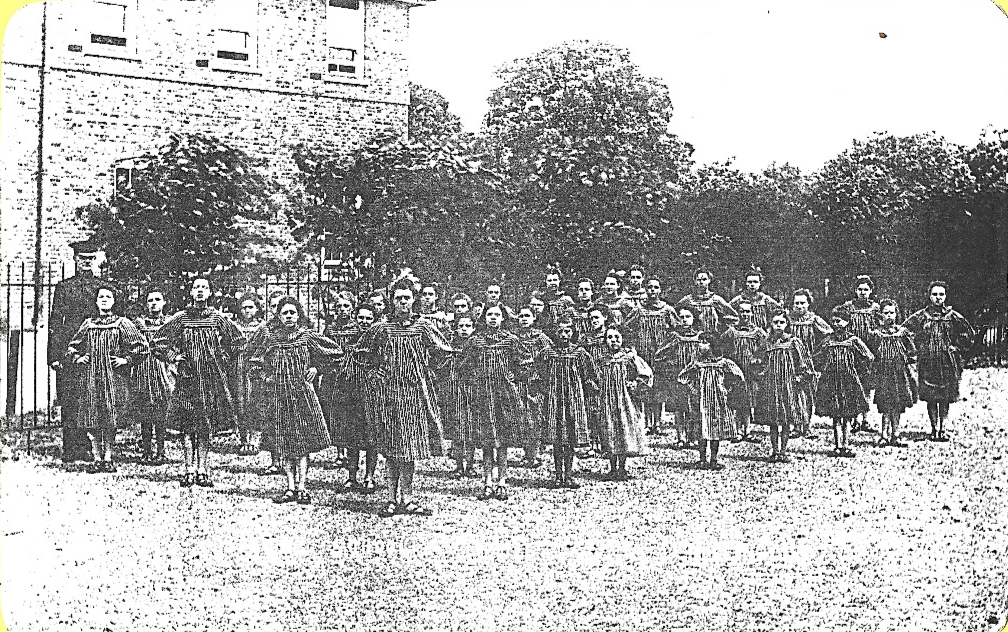
The first known photograph of the girls about 1915.
More buildings were added to the original house as the number of pupils grew. In November 1981 the 50th anniversary of the building of the chapel was celebrated. During the second world war, air raid shelters were built beneath the playground. In 1945 the girls were knitting socks for soldiers and liberated children in Europe.
For over 80 years the school remained a girl’s boarding school for special pupils who were functioning at this level because of social or emotional deprivation. The pupils came from a wide area of the country and some from overseas, including daughters of service men and women. They were accommodated in 5 boarding houses and cared for by the sisters.
In November 1925 the Board of Education inspector reported “the school is admirably conducted both as regards the domestic and educational arrangements.”
In 1988 a similar school in Westminster closed and many of the pupils transferred to Pield Heath. These included boys and day pupils which resulted in changes, both in the school buildings and the boarding houses. Gradually the numbers of day pupils increased until most of the boarders were children needing respite.
Until the 1980s most pupils left school at 16 but in November 1987 the Victor Braun centre for 16 - 19 year olds was opened. This was originally housed in portacabins which were replaced by the present building.
In November 1993 the school was honoured with a visit from Diana, Princess of Wales. The princess toured some classrooms then was given a slideshow of children at work and play. It was accompanied by a tape of instrumental music and a song made by the pupils. A CD of which was presented to her when she left. In the December of that same year Princess Diana visited again privately and this time she was accompanied by both Prince William and Prince Harry.
A Centennial Summer Fayre was held on 22 June 2002
The schools 110th anniversary was celebrated on 18th May 2012 – the Feast of Victor Braun.
2026 marks the 125th Anniversary and on 17th June Bishop James Curry said a special mass for the whole school community. This was followed by a tree planting ceremony and a reception. During the year other events will be held to mark this milestone in the life of the school.
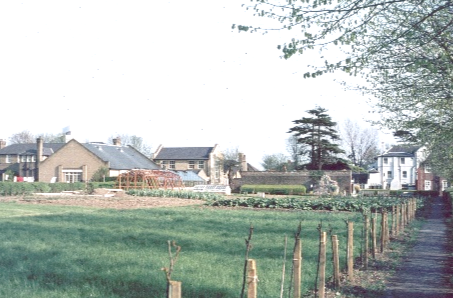
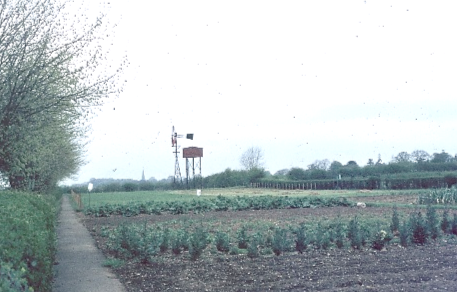
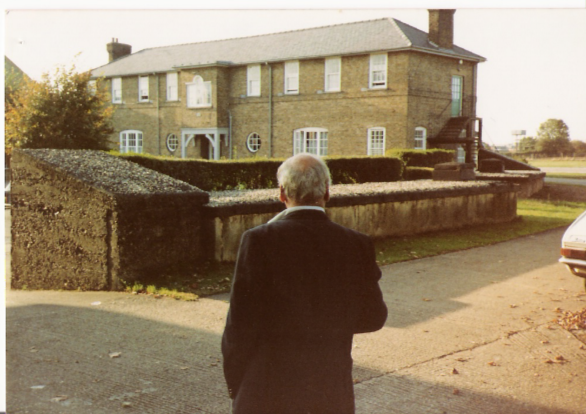
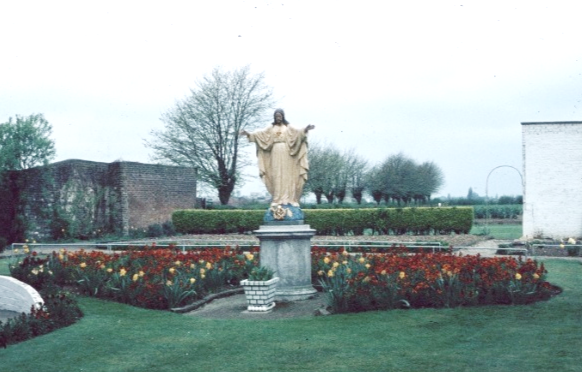
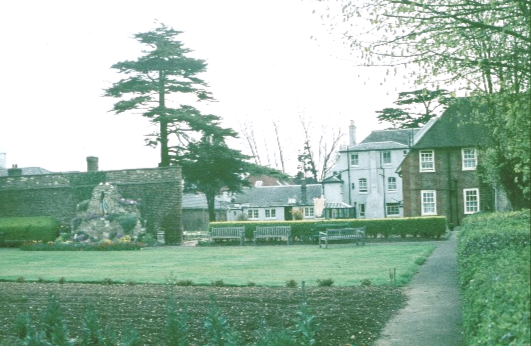
Photographs from the early days of Pield Heath House School
The Sisters of the Sacred Hearts of Jesus and Mary (SSHJM)
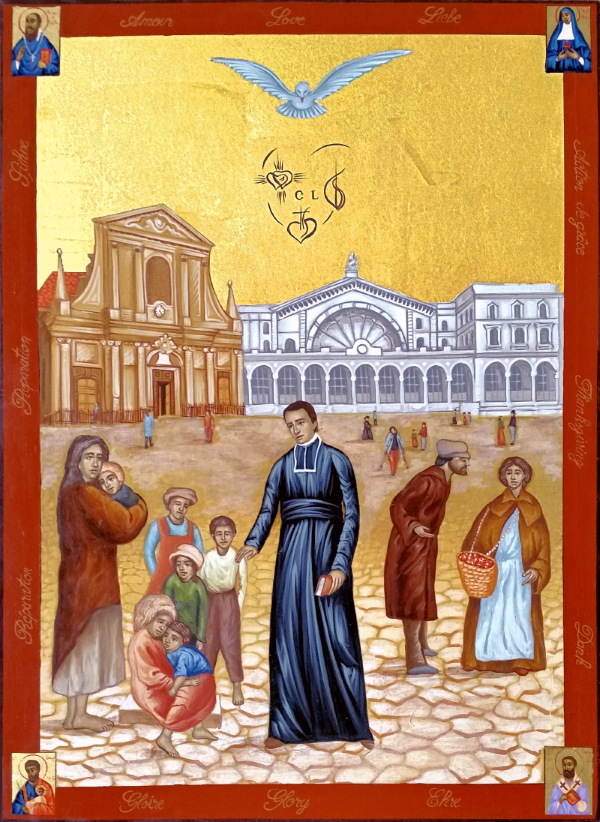
Our Founding History - God hears the cry of the poor
Throughout history God always hears the cry of those who suffer most. The Industrial Revolution in Europe in the middle of the nineteenth century brought riches to very few but misery to thousands of the people who worked for them.
The roots of our congregation originated in the poorest part of Paris in October 1866. At that time, thousands of young workers migrated to the city in search of employment, leaving behind the poverty of rural France.
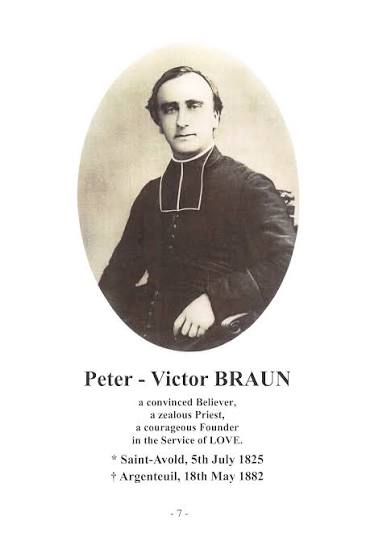
Among those chosen by God to respond to the cry of this ‘invisible’ workforce was Peter Victor Braun who came from the small military town of St. Avold, near the German border. A few years later he moved to “downtown” Paris. Here he reached out to the migrant workers, many of whom came from his home province of Alsace Lorraine. Father Braun soon began to understand the terrible difficulties the young female workers suffered when they found themselves suddenly unemployed, unemployable and or living on the streets.
With the help of a small group of local women he set up a hostel catering for the basic needs of those women migrant workers where all were sure to find a friendly face. He also came across young mothers who were hopelessly in debt, having to care single-handedly for their young children. For the children he started an orphanage so that the mothers could carry on earning.
Father Braun also put in place a scheme to help the poor who fell ill, both men and women, who had no hope of receiving any form of medical attention. Some of his new helpers would tend the sick in their slum dwellings. Care of the poor in their homes began a long time ago…
In October 1866 Father Braun began a process of discernment to see where the Holy Spirit was calling him at this period in his life. Though he later described himself as a reluctant founder, he became increasingly aware that God was calling him to do something new in the church of his time. And so, he named his first three dedicated helpers as the core group of what would become a new congregation of women religious in the church. Because of his deep devotion to the Sacred Heart of Jesus he named them.
Servants of the Sacred Heart
The sudden outbreak of the Franco-Prussian war in the summer of 1870 brought about a change of direction for the Servants of the Sacred Heart. The German sisters had to return to Germany and some others, both British and French, escaped to England. Shortly after their safe arrival in the UK a larger group followed together with their traumatised founder, Victor Braun, who just returned from the war-front. Cardinal Manning welcomed the young sisters and offered them a refuge in a house close to the newly - built church in Stratford. Soon the sisters were replicating in London’s East End similar provision for working-class families as those they had so recently set up in Paris. Victor Braun later returned to Paris.
By the end of the nineteenth century the English branch of the Servants of the Sacred Heart had increased in number and their mission had spread to some Welsh and Scottish mining towns where the nursing sisters set up clinics and small local hospitals. Other sisters taught in parish schools while all of the sisters visited the sick, poor and needy in the parishes at weekends.
There was an increasing divergence of vision between the sisters in London and those in administration in Paris. Then in 1902, on the advice of Cardinal Vaughan of Westminster, most of the sisters (117 in all) of the English province of the Servants of the Sacred Heart became a new and separate congregation under the leadership of Sister Winifride Tyrrell who we recognise as co-founder of the Sisters of the Sacred Hearts of Jesus and Mary (the new name chosen for the congregation). For many years Sister Winifride had been the Head teacher of Guardian Angels’ School in London’s Mile End. At the same time (approximately) the sisters who had to return to Germany and Austria also formed an independent congregation.
History of the Sisters of the Sacred Hearts of Jesus and Mary
The Congregation in England chose to establish it’s Mother House in Chigwell, Essex in south-east England on March 5th 1903. We became known locally as the Chigwell sisters. The purpose of our congregation is to
Bring the love and compassion of the Sacred Heart of Jesus to all those we meet.
In the first half of the twentieth century the Chigwell Sisters spread rapidly responding to the needs of the poor in various parts of London, Liverpool, Glasgow, and The Outer Hebrides; then later to Cork in Ireland and Cardiff in
Wales. New convents opened also in smaller towns and rural areas. Our principal ministries were in education, nursing, pastoral care, protection and care of the unmarried mother and persons with special needs.
In the 1950’s new initiatives and invitations (through the Bishops of the Church) called us to California and Zambia where small groups of sisters shared the charism and mission of our congregation. They worked in education,
hospitals and rural clinics which still continue today under the management of Parishes, other Religious congregations or Government authorities.
Responding to the call of the then Pope John Paul II (1990) to “live in solidarity with the suffering peoples of Latin America” a small group of sisters established a new mission in El Salvador, then still in a civil war. Around the same time, we began a new initiative of collaboration with sisters of the Victor Braun Federation in Bogota, Colombia. Both these Latin American countries are still scarred by continued violence and poverty.
By the year 2000 the congregation had spread to four continents, most recently to Asia, in Cebu, the “jewel of The Philippines”. There we continue our work with the poorest of the poor.
In 2001 our first Ugandan home-based care programme for people with HIV/AIDS was started near Kampala. A second foundation in the north of the country brought new hope and practical support to the thousands of displaced Acholi people. They were helped and supported to return to their homes and villages after spending many years in the refugee camp while escaping the horrors of war.
In the UK and Ireland, we saw new beginnings in Belfast, Roscrea, Worksop witnessing to our readiness to go forward in hope when called upon to respond to the signs of the times and the needs of the church in a rapidly changing multi-racial and multi-cultural society.
Whilst it has been necessary to close some foundations over the years, our mission moves on with our most recent foundations in Knock, Ireland and Nyumba Yanga, Lusaka.
In 2003, the 3 congregations (centred in Chigwell, Versailles and Vienna) have come together in a new and special way to form the Victor Braun Federation. These three congregations who share a single founder also share a single charism and spirituality. In 2016 we celebrated 150 years of service of love.